Symptoms of Postpartum Depression:
The signs or symptoms of postnatal depression are the same as for depression which can occur at other times. These may vary between women, and over time in any one
woman. Not
everyone with depression will complain of sadness or a persistent low mood. They
may have other signs of depression such as sleep problems. Others will complain
of vague physical symptoms.The symptoms of depression are often divided into three categories
- mood, physical, and cognitive (related to thoughts and beliefs) symptoms.
Some women will also have anxiety symptoms. For a diagnosis of depression to be
made, mood symptoms and some or all of the other signs must have been present
for at least two weeks.
Mood symptoms of postpartum depression:
Persistent low, sad or depressed mood. This can be described in varying ways by people. The woman may describe feeling sad, empty, having no feelings, or may complain of pain which is hard to locate. She may cry for no apparent reason. Some women may feel sad or low in mood all of the time, others have periods where their mood is more normal but the periods of feeling good do not last more than a day or two.
Loss of interest and pleasure in usual activities. This is a reduced ability to enjoy things which you would usually find pleasurable, and can be quite distressing. It includes loss of interest in sex, although this often lessens for a period after childbirth as a result of hormonal changes
Irritable mood. This may be the main mood change for some. If it continues, it can make dealing with the frustrations of caring for a baby very difficult, and may also be very damaging to other relationships
- Change in sleeping patterns. The most common change is reduced sleep, with difficulty getting to sleep, disturbed sleep, and/or waking early and being unable to return to sleep. For a few women, sleep is increased. Most people with depression wake feeling unrefreshed from their sleep. While it is usual for mothers to have their sleep interrupted by a waking baby, women with postnatal depression often find they cannot sleep even when the baby is settled. For example, they may lie awake worrying about the next feed or the next day.
- Change in appetite. Often not feeling like eating and, as a result, losing weight. Some women will have increased appetite, often without taking any pleasure in eating. This is often seen in those who also sleep more.
- Decreased energy, tiredness and fatigue may be so severe that even the smallest task seems too difficult to complete, causing great difficulty in caring for the baby. Women with postnatal depression need a lot of assistance with caring for the baby and any other children.
- Physical slowing or agitation often comes with severe depression. The person may sit in one place for periods and move, respond and talk very slowly; or they may be unable to sit still, pace and wring their hands. The same person may experience alternating slowing and agitation.
- Thoughts of worthlessness or guilt involve loss of self-confidence, and excessive guilt about past minor wrongs. As a result of feeling bad about themselves, women may withdraw from doing things and from contact with others. They may also feel they are a bad mother.
- Thoughts of hopelessness and death and feeling there is no hope in life. The woman may wish
she were dead or have thoughts of suicide. While many women with postnatal
depression have thoughts of harming themselves (and sometimes their baby),
often it is not that they want to die or hurt the baby, but rather they want
the situation to change.
- Difficulty thinking clearly. Women may have difficulty in concentrating. They may not feel able to read the paper or watch television. They may also have great difficulty making even simple everyday decisions
- Anxiety symptoms of various kinds are also very common as part of
depression (80 to 90 per cent of people with depression) but as the depression
resolves, these symptoms stop. They may include:
- Excessive worry or fear, with associated physical symptoms such
as muscle tension, pounding heart or dry mouth. The focus of worry will often
be the baby.
- Panic attacks, with sudden episodes of extreme anxiety and
panic and physical symptoms of fear. Again, the focus is often to do with the
baby.
- Phobias. Specific fears about situations, fear of
open spaces, confined spaces, heights, objects, animals or creatures such as
spiders.
- Excessive concern about physical health. The woman may worry
she is physically ill in some way, or that her baby is ill or has something
terribly wrong with him/her.
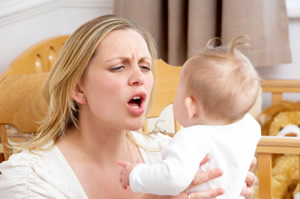
Dr Michael Williamson, consultant psychiatrist, addresses the symptoms of postnatal depression and depression during pregnancy:
