1.Gene research could hold key to postpartum depression:
Researchers and Parents discuss the discovery of a gene variant that can predispose women to Postpartum Depression.
2.Research Shows External Factors May Increase Risk of Postpartum Depression:
http://voices.yahoo.com/research-shows-external-factors-may-increase-risk-11413452.html?cat=5
3.Children of mothers who had postpartum depression are more likely to be shorter than their classmates:
Children of moms with mild to moderate or severe depression were 40 percent more likely to have a child below the tenth percentile in height by the time he or she was 4 years old and 48 percent more likely by the time the child turned 5 years old.- http://www.cbsnews.com/8301-504763_162-57509873-10391704/kids-of-moms-who-had-postpartum-depression-more-likely-to-be-short-by-age-5/

4.Exploring Causes for Postpartum Depression:
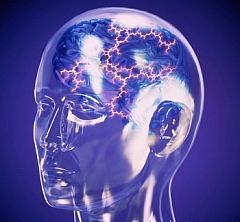
A new study suggests a possible physical cause for postpartum depression.Researchers at the Centre for Addiction and Mental Health used an advanced brain imaging method to determine that a brain protein called monoamine oxidase A (MAO-A) was significantly elevated in healthy women after delivery.- http://psychcentral.com/news/2010/05/05/exploring-causes-for-postpartum-depression/13510.html
5. A woman's postpartum depression was caused by a tumor on her pancreas (October 25th 2012):
The most recent and an absurd case of postpartum depression : A 34 year old woman,soon after giving birth, was experiencing panic attacks, increased feelings of anxiety and hopelessness, and episodes of crying — all signs of postpartum depression. Anti-anxiety medications, did not help her symptoms.An imaging scan showed a tumor, slightly less than half an inch long, on her pancreas.The researchers showed that this tumor was indeed the cause of her symptoms.- http://www.foxnews.com/health/2012/10/25/woman-postpartum-depression-was-caused-by-tumor/
6.A look at those who are at greatest risk of Postpartum depression as well as ground breaking research into treatment for Postpartum Depression:
7.Study uses brain imaging to understand postpartum depression:
Physician scientists at UMass Medical School made use of imaging techniques to measure chemical levels in the brains of postpartum women to determine the reason behind the development of depression in certain women after giving birth.Using noninvasive magnetic resonance spectroscopy to analyze specific neurotransmitters in the brain they could understand the causes of the disorder which could help in identifying women who are at high risk of developing postpartum depression-
8. Study Finds that fussy babies and Postpartum Depression are linked:
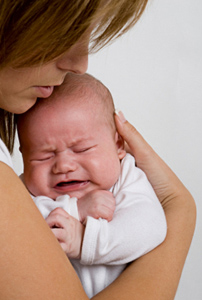
A compelling connection exists between colicky babies and postpartum depression, according to a study conducted by a Brown Medical School professor and Rhode Island Department of Health family health experts.Results showed that mothers reporting depression were more than twice as likely to report infant inconsolability, and women with inconsolable babies were more than two times as likely to report depression.One in three women with fussy infants acknowledged that they were depressed.The study used a survey data to further our understanding of maternal and child health issues and develop recommendations for improving public health practices:- http://www.sciencedaily.com/releases/2006/05/060502090732.htm
9.Mothers Of Multiple Births At Increased Odds Of Postpartum Depression:
Mothers of multiples have 43 percent increased odds of having moderate to severe depressive symptoms nine months after giving birth compared to mothers of single-born children, according to researchers at the Johns Hopkins Bloomberg School of Public Health.The findings suggest that 19 percent of mothers of multiples had moderate to severe depressive symptoms nine months after delivery, compared to 16 percent among mothers of singletons:-

10. A Review Article on the Role of Inflammation,Breastfeeding and Anti-Inflammatory Treatments on women with Postpartum Depression:
The research has identified inflammation as a key factor in depression, and it is triggered by both physical and psychological stress. Postpartum women are particularly at risk because their inflammation levels are already naturally elevated in the last trimester of pregnancy. And this elevation continues throughout the postpartum period. Two approaches prevent depression: lowering maternal stress and reducing inflammation. Breastfeeding has been shown to reduce stress. For mothers who are having difficulties, promptly addressing breastfeeding problems can protect maternal mental health. In addition, since many treatments for depression are compatible with breastfeeding, it can be preserved in most cases. Proactive use of anti-inflammatory treatments may also increase mothers' resilience to the stresses of new motherhood. This can prevent subsequent episodes of depression or at the very least, lessen its severity.-

|
Review Article.pdf Size : 735.275 Kb Type : pdf |
11.Low-Income Urban Mothers Have High Rate of Postpartum Depression:
The study involved 198 mothers who were 18 years of age or older and whose children were no older than 14 months. The researchers found that 56 percent of the mothers, after a diagnostic interview, met the criteria for a diagnosis of a major or minor depressive disorder.More than half of low-income urban mothers met the criteria for a diagnosis of depression at some point between two weeks and 14 months after giving birth, according to a study led by University of Rochester Medical Center researchers -
http://www.sciencedaily.com/releases/2010/02/100218125524.htm

12. Women With Diabetes at significantly increased risk Of Postpartum Depression:
Investigators at Harvard Medical School and the University of Minnesota School of Public Health reported that women with diabetes had a more than 50% increased risk of experiencing this serious illness.Pregnant women and new mothers with diabetes were approximately 55 to 60 percent more likely to experience postpartum depression. The increased risk of postpartum depression is similar for women who already had diabetes and those who developed it during pregnancy.-
http://www.sciencedaily.com/releases/2009/02/090224163615.htm
13.The Impact of Research in Postpartum Depression:
Dr. Margaret Howard from Women & Infants Day Hospital and a patient discusses the impact of research on the care of women with postpartum depression.-
Reference:
- http://www2.nbc17.com/news/2012/may/16/gene-research-could-hold-key-postpartum-depression-ar-2286400/
- http://voices.yahoo.com/research-shows-external-factors-may-increase-risk-11413452.html?cat=5
- http://www.cbsnews.com/8301-504763_162-57509873-10391704/kids-of-moms-who-had-postpartum-depression-more-likely-to-be-short-by-age-5/
- http://psychcentral.com/news/2010/05/05/exploring-causes-for-postpartum-depression/13510.html
- http://www.foxnews.com/health/2012/10/25/woman-postpartum-depression-was-caused-by-tumor/
- http://www.youtube.com/watch?v=nM3ObrdUO8E (video)
- http://www.youtube.com/watch?feature=player_embedded&v=45mbl57FT3M (video)
- http://www.sciencedaily.com/releases/2006/05/060502090732.htm
- http://www.sciencedaily.com/releases/2009/03/090330091559.htm
- http://www.internationalbreastfeedingjournal.com/content/pdf/1746-4358-2-6.pdf (pdf)
- http://www.sciencedaily.com/releases/2010/02/100218125524.htm
- http://www.sciencedaily.com/releases/2009/02/090224163615.htm
- http://www.youtube.com/watch?v=fGGPwaSbkp8 (video)
