What is Postpartum Psychosis?
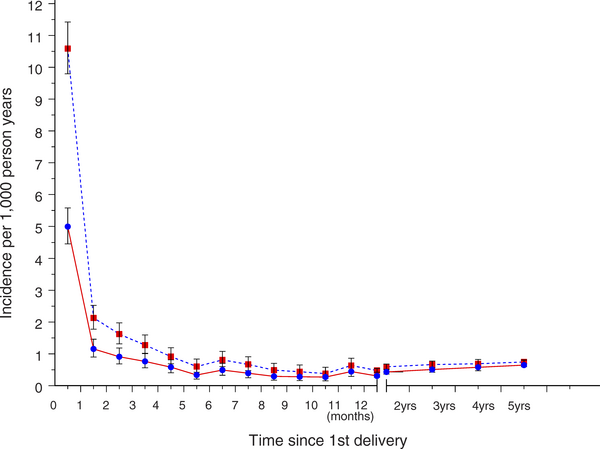
A more serious and rare condition is postpartum psychosis.While it is the most extreme form of postpartum mood disorders,postpartum psychosis is also one of the rarest.Usually described as a period when a woman loses touch with reality. It affects about 1 in 1,000 women who give birth and occurs within the first month after labor and delivery. It may include hallucinations, such as hearing voices or seeing things, or feelings of paranoia. With postpartum psychosis, a woman can have irrational ideas about her baby - such as that the baby is possessed or that she has to hurt herself or her child. This condition can be extremely serious and disabling, and new mothers who are experiencing these symptoms need medical attention right away. Postpartum psychosis requires immediate medical attention and, often, a brief hospitalization. |  |
The most significant risk factors for postpartum psychosis are a personal or family history of bipolar disorder,or a previous psychotic episode.
Of the women who develop postpartum psychosis, there is a 5% suicide or infanticide rate associated with the illness.This is because the woman experiencing psychosis is experiencing a break from reality. In her psychotic state, the delusions and beliefs make sense to her; they feel very meaningful and are often religious. Immediate treatment for these women is imperative.It is also important to know that many survivors of postpartum psychosis never had delusions containing violent commands. Delusions take many forms, and not all of them are destructive. Most women who experience postpartum psychosis do not harm themselves or anyone else. However, there is always the risk of danger because psychosis includes delusional thinking and irrational judgment, and this is why women with this illness must be treated and carefully monitored by a trained healthcare professional.
Postpartum psychosis is temporary and treatable with professional help, but it is an emergency and it is essential that you receive immediate help. If someone is suffering from this illness, know that it is not one's fault and she is not to blame. Call the doctor or an emergency crisis hotline right away so that she can get the help she needs.
Incidence of Postpartum Psychosis in Swedish First time Mothers:
 |  |
Katie L Monarch explains what is Postpartum Psychosis:
References:
- http://www.postpartum.net/Get-the-Facts/Postpartum-Psychosis.aspx
- http://www.pregnancy-info.net/postpartum_psychosis.html
- http://hala-hi.org/2011/11/after-child-birth-madness-part-2/
- http://touchofgracedoula.blogspot.in/2010/12/postpartum-depression.html
- http://www.medscape.org/viewarticle/527494
- http://en.wikipedia.org/wiki/File:Figure_1._Incidence_of_Psychoses_among_Swedish_First-Time_Mothers.png
- http://www.youtube.com/watch?v=Nw6-e2DyB8U (video)

