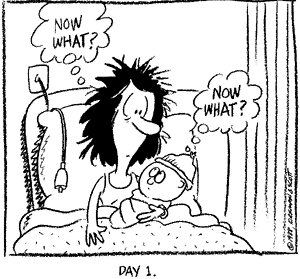
What are Baby Blues?

The days and weeks following the birth of a baby can be as overwhelming as they are joyful and exciting for a mother whether she is becoming a mom for the first time or the fourth.Many women experience major mood shifts after childbirth, ranging from brief, mild baby blues to the longer-lasting,deeper clinical depression known as postpartum depression. Up to 80% of women experience something called as the Baby blues, feelings of sadness and emotional surges that begin in the first days after childbirth.With the baby blues, a woman might feel happy one minute and tearful or overwhelmed the next.She might feel sad, blue, irritable, discouraged, unhappy, tired, or moody.Baby blues usually last only a few days but can linger as long as a week or two


Why it Happens?

These emotional surges are believed to be a natural effect of the hormone shifts that occur with pregnancy and childbirth. 
Levels of estrogen and progesterone that increased during pregnancy drop suddenly after delivery, and this can affect mood. These female hormones return to their pre-pregnancy levels within a week or so.The emotional and physical stress of giving birth along with any general physical discomfort you may be experiencing can also contribute to you feeling a bit down for the first few weeks after birth.Many new mothers tend to have an increased sense of anxiety because of the new responsibility a baby brings with him.Not surprisingly, this anxiety can have a negative impact on your mood. The fatigue and lack of sleep that affects all new mothers only serves to compound the problem.You may also be disappointed if you’re having troubles nursing or your partner is'nt helping out as much as you would like
 

How to cope with Baby Blues?

Getting proper rest, nutrition, and support are quite important — since being exhausted or sleep deprived or feeling stressed can reinforce and fuel feelings of sadness and depression.New moms should try to accept help in the first days and weeks after labor and delivery. Let family and friends help with errands, food shopping, household chores, or child care. Get plenty of rest and eat nutritious foods. Talking to people close to you, or to other new mothers, can help you feel supported and remind you that you're not alone.You don't have to stifle the tears if you feel the need to cry a bit — but try not to dwell on sad thoughts.Let the Baby Blues run their course and pass.


Tanya Radforth, a nurse practitioner,explains the term ''baby blues'' and how is it different from Postpartum Depression: 


A mother shares her experiences with Baby Blues: 

This free website was made using Yola.

No HTML skills required. Build your website in minutes.

Go to www.yola.com and sign up today!

Make a free website with Yola