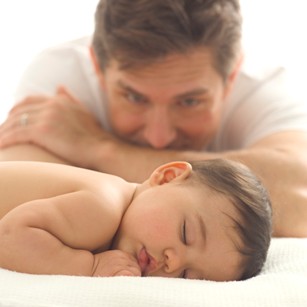
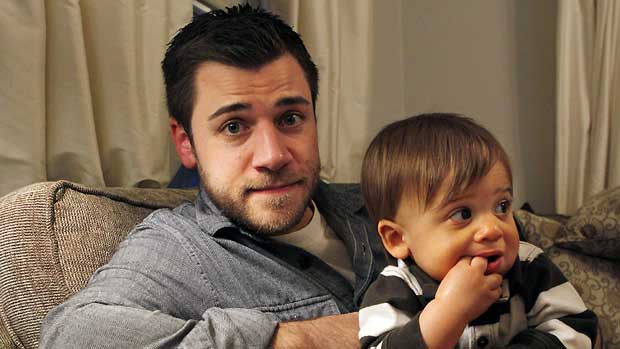
Postpartum Depression in Men: It's not just new moms who get postpartum depression. More than one in 10 fathers become depressed after the birth of their child, too, according to a new study that researchers said underscores the need for more awareness of men's depression.Postpartum depression in mothers has been well-recognized, but much less attention has been focused on how new fathers fare. That's because women are usually the primary care givers and postpartum depression was considered a condition likely linked to hormonal changes in pregnancy. Experts say treating depression, whether it's in the mother or father, is important because it raises the risk for long-term behavioral and psychiatric problems in the child. Research and anecdotal evidence have stated few facts about men with postpartum depression:
|     |
Symptoms of Postpartum Depression in Men:
- tiredness, headaches and pain
- irritability, anxiety and anger
- loss of libido
- changes in appetite
- feelings of being overwhelmed, out of control and unable to cope
- a tendency to take risks
- changes to sleep patterns, especially a lack of sleep
- feelings of isolation and disconnection from partner, friends or family
- withdrawal from intimate relationships and from family, friends and community life
- increased hours of work as a part of the withdrawal from family
- increased use of drugs or alcohol instead of seeking treatment for depression.
Fathers’ experiences:
Some fathers describe their experience of Postpartum Depression as feeling trapped, almost like pacing in a cage. They feel extremely alone in their situation and don’t know how to get out.
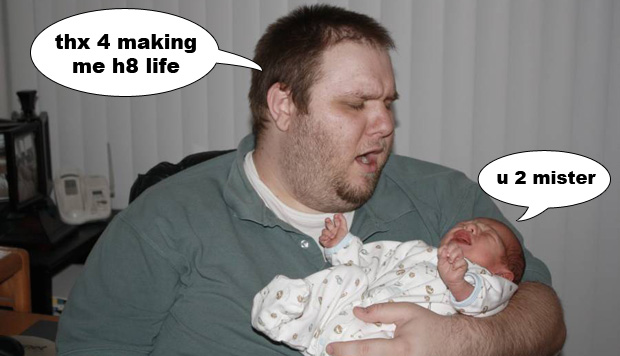
Other fathers experience Postpartum Depression as being overcome with anger and rage. They feel angry at their partners, children or other family members. They can feel confused about their feelings and are often shocked at their own behaviour.
Some are overwhelmed by feelings of hopelessness and helplessness. They feel their lives and sense of self might never return to normal.
Some fathers feel disappointed by their experience of fatherhood. They feel they have failed in their role as a father, and that they’ve let themselves, their children or partners down. They might feel that fatherhood hasn’t been what they expected and feel let down themselves.
Seeking help:
Some strategies and treatment options are available for men with PPD:
- Contact support organisations or referral services for men experiencing PPD and their families.
- Visit your doctor for a full medical and mental health assessment, to clearly establish what’s going on.
- Ask your doctor for a referral to a psychologist or psychiatrist who specialises in PPD – you might be eligible for Medicare rebates.
- Seek extra support – go along to your baby’s next maternal and child health nurse appointment and discuss your situation with the nurse. She might be aware of other local services.
- Seek support groups. It’s very common for women experiencing PPD to attend support groups, but there are very few groups established for men. These groups can be immensely beneficial, so it might be worth alerting your community health care centre to this gap, or talking to PANDA (Post and Antenatal Depression Association) about setting one up in your area.
- Consider antidepressant medication to help reduce some of the symptoms. These medications are effective for many people, especially in conjunction with counselling. They are preferable to the use of alcohol or illicit drugs. Your doctor, pharmacist or a drug information helpline will be able to provide more information.
- Seek emotional and practical support from your partner, family and friends, work colleagues, and anyone who is willing to help. The nature of depression will probably mean you feel isolated and alone. Asking for help, talking things through, and even just spending more time with the people you love – these things can help you reconnect with your positive feelings again.
- Remember to be kind to yourself.
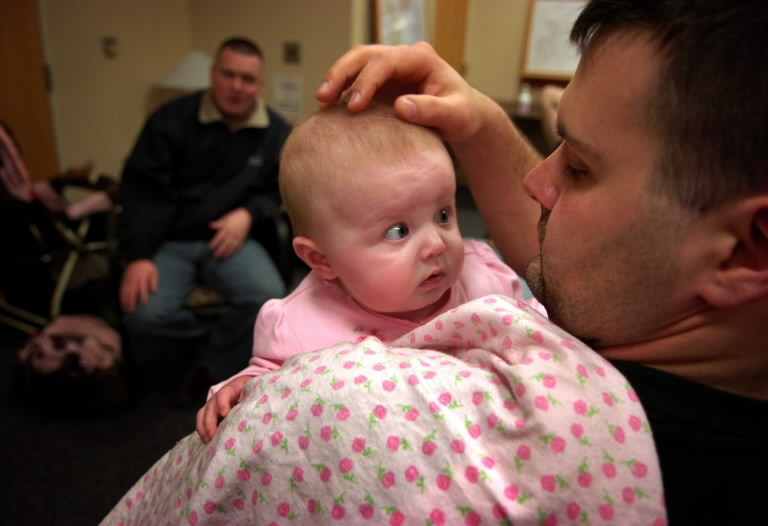
- Keep in mind that there is a way out and you’re not alone. There is help available. With the appropriate treatment, you can begin to feel better and start to enjoy being a new father.
Dr Will Courtenay,a psychotherapist, explains the reasons of Postpartum Depression in Men
A father shares his experiences with postpartum depression
News on the Study of Postpartum Depression in Men
Many fathers share their stories about dealing with postpartum depression
http://online.wsj.com/article/SB10001424052748703957904575252263501070290.html
- http://weblogs.baltimoresun.com/health/2010/05/
- http://raisingchildren.net.au/articles/men_and_postnatal_depression.html
- http://topnews.ae/content/22171-fathers-also-affected-postpartum-depression
- http://carilionclinic.adam.com/
- http://www.healthtree.com/health-news/research-and-development/men-also-suffer-from-postpartum-depression-study-shows/
- http://www.cbc.ca/news/health/story/2011/03/14/depressed-dads-spanking.html
- http://www.youtube.com/watch?v=RGDZYLO3CNE (video)
- http://www.youtube.com/watch?v=yjm7kFO9AHw&feature=relmfu (video)
- http://www.youtube.com/watch?v=5uX-RAaA2G4&feature=related (video)
- http://www.youtube.com/watch?v=CNmqucNnSLQ&feature=relmfu (video)
